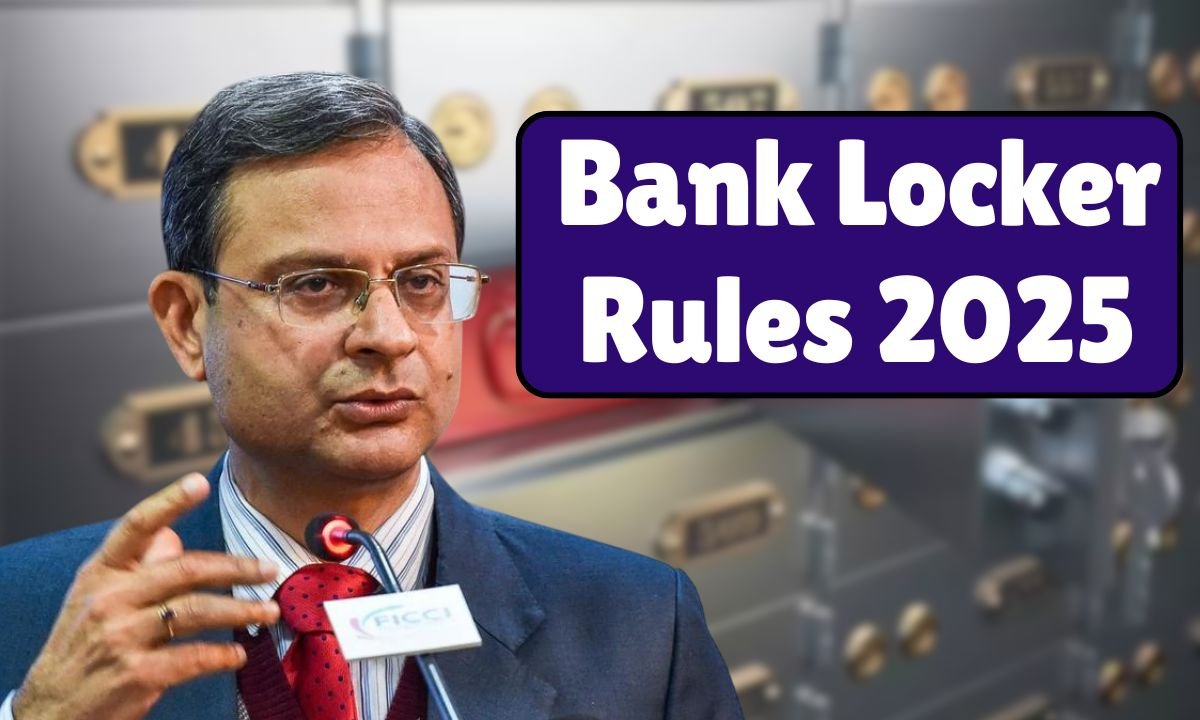
Have you checked your bank locker agreement lately? Most people haven’t. And that’s exactly why the Bank Locker Rules 2025 matter more than they sound.
The Reserve Bank of India has been quietly fixing long-standing problems around bank lockers—things like theft disputes, vague liability clauses, and outdated paperwork. These rules, introduced in phases since 2023, must be fully complied with by December 31, 2025. Miss one step, and you could temporarily lose access to your locker. Sounds serious? It is.
Why the RBI Changed Bank Locker Rules
Here’s the thing. For years, banks followed the “locker at customer’s risk” logic. If something went wrong, customers often had nowhere to go.
After several court cases and complaints involving missing jewellery and poor security, the RBI stepped in. The goal was simple: make banks accountable, modernize security, and clearly define who is responsible when things go wrong.
The Bank Locker Rules 2025 are the result.
New Security Standards You Should Know
Today’s lockers are no longer just metal boxes with a key. Banks must now follow stricter safeguards, including:
- Biometric authentication or dual verification for access
- CCTV coverage with recordings stored for at least 180 days
- SMS or email alerts every time the locker is operated
Think about it this way. If someone accesses your locker, there’s now a digital trail. That alone has reduced unauthorized access risks.
Bank Liability: A Big Shift in Customer Protection
This is the most important change.
If your locker contents are lost or damaged due to bank negligence, theft, fire, or employee fraud, the bank is responsible. Compensation can go up to 100 times the annual locker rent.

However, there are limits:
- Natural disasters like earthquakes or floods don’t attract bank liability
- Loss caused by the customer’s own actions isn’t covered
One practical tip: lockers don’t cover full value. If you store high-value jewellery, personal insurance still makes sense.
Revised Locker Agreements: Don’t Ignore This
Every locker holder must sign a revised agreement—either a supplementary document or a fresh contract—by December 31, 2025.
Banks are offering this through:
- Branch visits
- Mobile banking apps
- E-stamping or digital signing
If you don’t sign, the bank can freeze access or even cancel the locker after due notice. That’s not a threat. It’s part of the RBI rules.
What You Can and Cannot Store
Lockers are strictly for lawful items. That means:
- Jewellery, documents, and valuables are fine
- Cash, weapons, drugs, explosives, or hazardous materials are not
If a bank finds prohibited items, it can terminate the locker agreement immediately.
Why These Rules Actually Help You
At first glance, the Bank Locker Rules 2025 feel like extra paperwork. But they bring real benefits:
- Better security
- Clear compensation rules
- Fewer disputes with banks
- Faster claim handling in case of loss
In short, lockers are now safer and fairer.

Frequently Asked Questions
Is signing the new locker agreement mandatory?
Yes. All locker holders must sign the revised agreement by December 31, 2025. If you don’t, the bank can restrict or terminate locker access after proper notice.
How much compensation will a bank pay if items are lost?
If loss occurs due to bank negligence, theft, fire, or employee fraud, compensation can be up to 100 times the annual locker rent. Contents themselves are not insured by default.
Is nomination compulsory for bank lockers?
Nomination is optional, but strongly recommended. It helps nominees get quicker access to locker contents in case of the holder’s death, with minimal documentation.